Why Snoring Isn’t Just a “Noise Problem”
Snoring can drive you (and your partner) up the wall.
You go to bed hoping for a peaceful night, and then… the noise starts. Again.
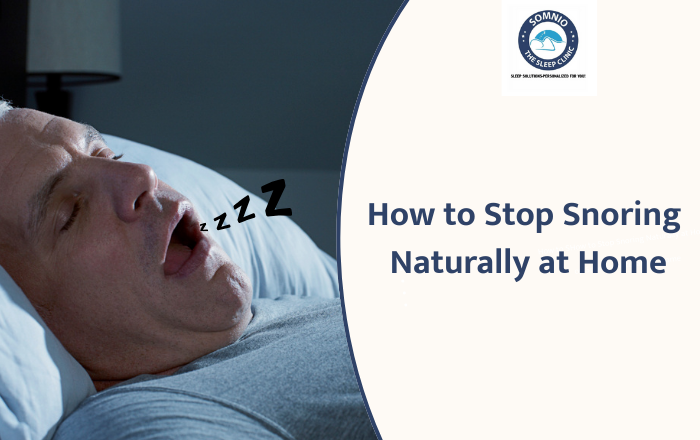
But here’s the thing: snoring isn’t just a bad habit. It’s a signal that something’s off with how you’re breathing while you sleep. The good news? You can often fix it naturally, without machines or surgery.
This guide breaks down how to stop snoring naturally and permanently at home using simple changes that actually make a difference.
What Causes Snoring in the First Place?
Before we jump into the solutions, let’s look at why snoring happens.Your airway is getting blocked.
When you sleep, the muscles in your throat relax. If they relax too much, they can partially block your airway. Air tries to squeeze through and that vibration? That’s the sound of snoring.Certain habits make it worse.
- Sleeping on your back
- Drinking alcohol before bed
- Gaining weight, especially around the neck
- Having nasal congestion or allergies
- Poor sleep posture or irregular sleep schedule
Sometimes, it’s more serious.
If your snoring is loud and happens almost every night or if you stop breathing for a few seconds at a time, you could be dealing with sleep apnea, which needs medical attention.How to Stop Snoring Naturally at Home
Let’s get into what actually helps. These tips are simple, low-effort, and can work surprisingly well if you stick with them. Snoring is usually worse when you sleep on your back. That’s because gravity pulls your tongue and soft palate backward, narrowing your airway.1. Sleep on Your Side
Snoring is usually worse when you sleep on your back. That’s because gravity pulls your tongue and soft palate backward, narrowing your airway. Try this:- Sew a tennis ball into the back of your sleep shirt to stop yourself from rolling onto your back
- Use a body pillow to support side sleeping
- Wedge pillows behind your back for extra support
2. Lose a Little Weight (If Needed)
Extra fat around the neck can squeeze your airway and make snoring more likely. You don’t need a dramatic weight loss—sometimes, losing even 5–10% of your body weight helps. Try:- Daily walks
- Cutting sugar and processed foods
- Eating lighter at night
3. Clear Your Nose Before Bed
Blocked nasal passages force you to breathe through your mouth—and that often leads to snoring. Simple ways to clear your nose:- Use a saline rinse (neti pot or spray)
- Inhale steam with a towel over a bowl of hot water
- Add a humidifier to your bedroom
- Try turmeric or ginger tea to reduce inflammation
4. Skip Alcohol Late at Night
Alcohol relaxes your throat muscles, which can cause snoring or make it worse. Try cutting off drinks at least 3–4 hours before bed.5. Stick to a Sleep Schedule
Irregular sleep can mess with your sleep stages and muscle control, making snoring more likely. Make a routine that works:- Go to bed and wake up at the same time every day (yes, even weekends)
- Avoid screens an hour before bed
- Use soft lighting or read to wind down
6. Do Throat and Tongue Exercises
Just like any other muscle, your airway muscles can be trained. Examples of daily snoring exercises:- Repeat vowel sounds (A-E-I-O-U) loudly and clearly
- Press your tongue flat against the roof of your mouth and hold
- Stick your tongue out and try to touch your chin or nose
- Doing these for 5–10 minutes a day can help tone your throat muscles and reduce snoring over time.
7. Try Natural Remedies
Many people find relief with simple, home-based solutions: Herbal teas:- Peppermint tea helps with nasal swelling
- Chamomile can help you relax and sleep better
- A few drops of eucalyptus or peppermint oil in steam can open your nasal passages
- Lavender oil in a diffuser can help you sleep more deeply
- Nasal strips or dilators
- Wedge pillows to elevate your head slightly
Can You Stop Snoring Permanently Without Surgery?
Yes, but only if you tackle what’s actually causing the snoring. If it’s due to posture, congestion, or mild muscle weakness, home remedies and lifestyle changes can be enough. But if snoring sticks around even after weeks of effort or if you’re always tired despite getting “enough” sleep, it’s time to dig deeper. Something more complex might be going on, like obstructive sleep apnea.When Should You Get Help for Snoring?
Snoring might seem harmless, but here’s when you shouldn’t ignore it:- You snore loudly every night
- You wake up choking or gasping for air
- Your partner says you stop breathing in your sleep
- You’re always tired, irritable, or foggy during the day