If your partner keeps nudging you awake at night because of your loud snoring, or you’re tired of waking up exhausted despite a full night’s sleep, you’re not alone. Millions of people struggle with snoring, and it affects not just the person snoring but everyone in the household. The good news? The best treatment for snoring is within reach, and you have more options than you might think.
Whether your snoring is occasional or happens every night, understanding your treatment choices can help you find relief. Let’s explore both medical and non-surgical solutions that can help you sleep peacefully again.
Understanding Why You Snore
Before diving into treatments, it helps to know what causes snoring. When you sleep, the muscles in your throat relax. Sometimes they relax so much that your airway becomes narrow, causing the tissues to vibrate as air passes through. This vibration creates the sound we call snoring.
Common causes include sleeping on your back, being overweight, drinking alcohol before bed, nasal congestion, or having enlarged tonsils. Age also plays a role, as throat muscles naturally become less toned over time.
Non-Surgical Treatment Options for Snoring
Many people find relief through simple lifestyle changes and devices. These non-surgical snoring solutions are usually the first step and work well for mild to moderate cases.
– Change Your Sleep Position
Sleeping on your back makes your tongue fall backward and narrow your airway. Try sleeping on your side instead. You can use special pillows designed to keep you in this position, or even try the old tennis ball trick—sew a tennis ball into the back of your pajama top to prevent rolling onto your back.
– Lose Some Weight
Extra weight, especially around your neck, puts pressure on your airway. Even losing just 5-10 pounds can make a noticeable difference in reducing snoring. Regular exercise also strengthens the muscles in your throat, which helps keep your airway open.
– Skip the Nightcap
Alcohol relaxes your throat muscles too much, making snoring worse. Avoid drinking alcohol at least 3-4 hours before bedtime. The same goes for sleeping pills and sedatives.
– Try Anti-Snoring Devices
Nasal strips open your nasal passages from the outside and work well if your snoring comes from nasal congestion. You can buy them at any pharmacy without a prescription.
Mandibular advancement devices are mouthpieces that gently push your lower jaw forward, opening your airway. You can get basic versions over the counter, though custom-fitted ones from a dentist work better.
Mouth guards prevent your tongue from blocking your airway. Some people find these more comfortable than jaw-advancing devices.
– Strengthen Your Throat Muscles
Simple exercises can tone the muscles in your throat and reduce snoring. Try singing, playing a wind instrument, or doing tongue and throat exercises daily. Studies show that people who practice these exercises regularly notice improvement within a few weeks.
– Treat Nasal Problems
If allergies or sinus issues cause congestion, treating them can reduce snoring. Use saline nasal rinses, allergy medications, or a humidifier in your bedroom. For chronic problems, see a doctor about long-term solutions.
Medical Treatments for Persistent Snoring
When lifestyle changes and simple devices don’t help, medical treatments for snoring offer more powerful solutions.
– CPAP Therapy
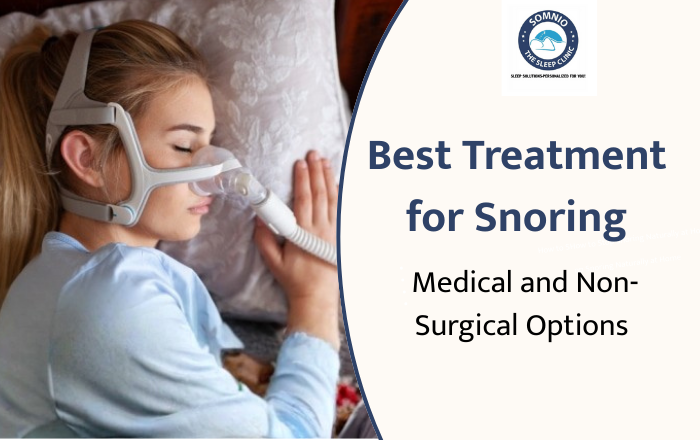
Continuous Positive Airway Pressure (CPAP) is the most effective treatment when snoring is caused by obstructive sleep apnea. This machine delivers steady air pressure through a mask you wear while sleeping, keeping your airway open all night. Modern CPAP machines are quieter and more comfortable than older models.
– Custom Oral Appliances
A dentist or sleep specialist can create a custom-fitted device that works better than store-bought versions. These anti-snoring devices that actually work are molded to fit your mouth perfectly and adjust your jaw to the ideal position. Most insurance plans cover these when prescribed by a doctor.
– Radiofrequency Treatment
This office procedure uses radiofrequency energy to shrink and stiffen the soft tissue in your throat. It’s done under local anesthesia, takes about 15-20 minutes, and you can go home the same day. Results appear gradually over a few weeks.
– Palatal Implants
Small implants placed in your soft palate stiffen the tissue and reduce vibration. The procedure takes about 30 minutes in a doctor’s office, and you’ll feel improvement within a few months as scar tissue forms around the implants.
– Surgical Options
When other treatments don’t work, surgery might be necessary. Uvulopalatopharyngoplasty (UPPP) removes excess tissue from your throat, creating more airway space. If a deviated septum causes your snoring, septoplasty straightens it. For enlarged tonsils, tonsillectomy can solve the problem completely.
Sleep Apnea vs. Simple Snoring
It’s important to know if your snoring signals something more serious. Obstructive sleep apnea means you actually stop breathing repeatedly during sleep. Warning signs include loud snoring followed by silence and gasping, waking up with headaches, feeling exhausted despite sleeping enough, and difficulty concentrating during the day.
If you have these symptoms, see a doctor for a sleep study. Sleep apnea increases your risk of high blood pressure, heart disease, and stroke, so proper diagnosis matters.
Choosing Your Treatment Path
Start with the easiest options first. Try lifestyle changes like sleeping on your side, losing weight, and avoiding alcohol before bed. Give these changes at least 3-4 weeks to work.
If your snoring continues, add an over-the-counter device like nasal strips or a mandibular advancement device. Track your progress—ask your partner if they notice improvement or use a sleep app to monitor your snoring.
When how to stop snoring naturally doesn’t provide relief after a couple of months, it’s time to see a sleep specialist. They’ll examine your airway, discuss your symptoms, and may recommend a sleep study to determine the best way to treat snoring for your specific situation.
When to See a Doctor
Don’t wait to seek help if:
- Your snoring is so loud it disturbs others regularly
- You feel tired all day despite sleeping 7-8 hours
- Your partner notices you stop breathing during sleep
- You wake up gasping or choking
- You have morning headaches
A proper evaluation identifies the root cause of your snoring and leads to the most effective treatment.
Stop Snoring Tonight – Get Expert Help in Hyderabad
Snoring doesn’t have to be a permanent problem. With the right approach—whether through lifestyle changes, devices, or medical treatment—you can stop snoring and improve your sleep quality.
If you’re in Hyderabad and looking for snoring treatment, Somnio The Sleep Clinic in Film Nagar offers complete evaluation and treatment options tailored to your needs. Their team helps identify why you snore and creates a treatment plan that works for your lifestyle.
Don’t let another night of poor sleep go by. Contact Somnio The Sleep Clinic today and take the first step toward peaceful, quiet nights for you and your family.
📍 Somnio The Sleep Clinic, Film Nagar, Hyderabad