If your doctor has suggested a sleep study, you may be wondering what the experience will be like. Will you be able to sleep normally? Is it uncomfortable? What happens with all those wires? These are common concerns.
A sleep study, also called a polysomnography test, is a simple and helpful way to find out what’s going on while you sleep. Whether you’ve been dealing with loud snoring, daytime tiredness, or trouble falling asleep, a sleep study can help uncover possible sleep disorders and guide the next steps.
This blog walks you through what to expect before, during, and after a sleep study, so you feel more at ease and know how to prepare.
What Is a Sleep Study and Why Is It Done?
A sleep study tracks your breathing, brain activity, heart rate, and movements while you sleep. It helps diagnose common sleep disorders such as:
- Obstructive sleep apnea
- Chronic snoring
- Insomnia
- Restless leg syndrome
- Narcolepsy
You usually spend one night at a sleep clinic where your body’s activity is monitored while you sleep. The information collected is used by a sleep specialist to understand why you’re having sleep-related problems.
Signs You Might Need a Sleep Study
- Loud snoring with choking or gasping sounds
- Feeling sleepy during the day, even after a full night’s rest
- Frequent tossing and turning at night
- Difficulty falling or staying asleep
- Mood swings, poor memory, or trouble focusing
What to Expect Before a Sleep Study
How to Prepare for Your Appointment
Getting ready for a sleep study is simple. Here’s what you can do:
- Avoid caffeine, alcohol, and naps on the day of your study
- Shower and wash your hair but don’t use oils, sprays, or lotions (they may affect the sensors)
- Pack comfortable nightwear, your toothbrush, and any medications you regularly take
- Bring your ID and completed forms if provided by the clinic
Sleep Diary or Forms
Some clinics may ask you to record your sleep habits for a few days before the study. This is called a sleep diary. It helps give context to the results and shows your regular sleep patterns.
What Happens During a Sleep Study
Your Room at the Sleep Clinic
Most sleep clinics have quiet, clean, and private rooms. They often look like small hotel rooms with a comfortable bed, nightstand, and attached bathroom. The environment is calm to help you sleep naturally.
The Equipment Used
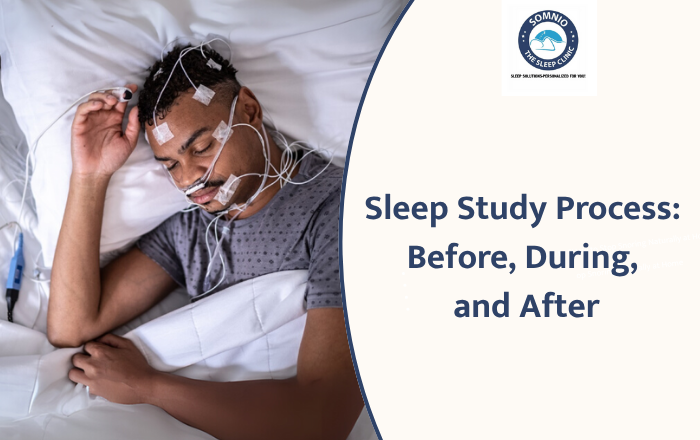
Once you’re ready for bed, a sleep technician will place sensors on your:
- Scalp (to track brain waves)
- Chest (for heart rate)
- Legs (to monitor movements)
- Finger (to check oxygen levels)
- Face and chest (to observe breathing)
All sensors are gently taped or clipped to your skin. You’ll also wear small belts around your chest and stomach to measure breathing.
Does It Hurt?
No, a sleep study is completely painless. The wires may feel a little odd at first, but most people get used to them quickly. You’re still able to move, turn, and sleep in your usual position.
Monitored Sleep
While you sleep, a trained technician monitors your activity from another room. They’re available if you need assistance during the night. The goal is to collect as much sleep data as possible at least several hours of sleep is usually enough.
What to Expect After a Sleep Study
Waking Up and Leaving the Clinic
In the morning, the technician will remove the sensors, and you can freshen up and head home. You’ll be able to resume normal activities right away.
When Will I Get My Results?
The results are not immediate. It typically takes a few days for the data to be reviewed. The report will include:
- Sleep stages and cycles
- Breathing patterns and interruptions
- Oxygen levels and heart rate changes
- Movements or unusual behavior during sleep
Follow-Up with a Sleep Specialist
Once the report is ready, you’ll meet with your sleep doctor to discuss what it shows. Based on your results, they may suggest:
- CPAP therapy (for sleep apnea)
- Lifestyle changes
- Further tests
- Other treatment options depending on the condition
Why a Sleep Study Can Make a Difference
Many people live with sleep disorders without realizing it. A sleep study can help detect problems early—before they begin to affect your health. Proper sleep is important for memory, energy, heart health, and mood. If you’re not sleeping well, it’s worth finding out why.
Frequently Asked Questions (FAQ)
1. What is a sleep study used for?
It helps diagnose sleep problems like snoring, sleep apnea, and insomnia by monitoring your body during sleep.
2. Can I eat or drink before the sleep study?
Yes, but avoid caffeine and alcohol as they may affect your sleep results.
3. Is a sleep study safe for children?
Yes, sleep studies are safe for children and often used to diagnose snoring, apnea, or behavioral sleep issues.
When Should You Consider a Sleep Study?
If you’ve been struggling with:
- Loud snoring
- Poor sleep despite a regular bedtime
- Daytime sleepiness
- Irritability or poor focus
- Breathing pauses during sleep (noticed by others)
…it might be time to talk to a sleep specialist. Ignoring these symptoms can lead to long-term health issues.
Take the Next Step Toward Better Sleep
Sleep problems are more common than you think and they often go untreated. A sleep study is a simple way to uncover what’s happening while you sleep and find solutions that work for you.
Need Help? Visit Somnio The Sleep Clinic in Hyderabad
If you’re looking for a trusted place to get a sleep study in Hyderabad, consider Somnio The Sleep Clinic. The team is experienced in sleep diagnostics and offers a comfortable environment for overnight studies. From your first appointment to follow-up, they guide you through the process clearly and with care.
Don’t let sleep issues affect your daily life. Book your sleep study with Somnio The Sleep Clinic in Hyderabad today and take the first step toward better sleep.