
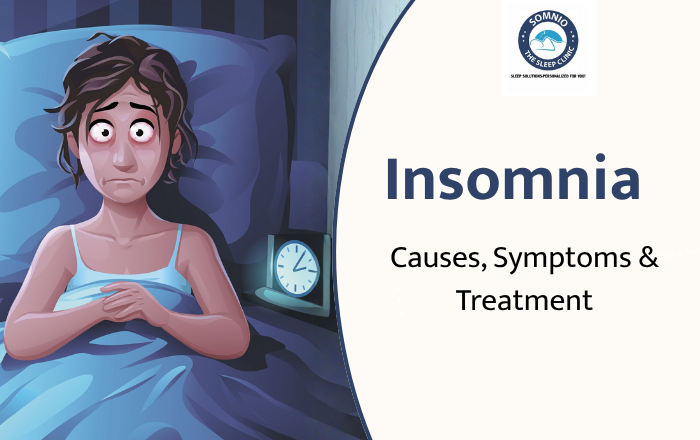
Another night spent tossing and turning? You’re not alone. If you find yourself staring at the ceiling at 3 AM while everyone else sleeps peacefully, you might be dealing with insomnia.
Insomnia is more than just one bad night of sleep. It’s a pattern that leaves you exhausted, frustrated, and wondering what’s wrong. The good news? Understanding what insomnia is and what causes it is the first step toward fixing it. In this guide, we’ll break down everything you need to know about insomnia and how to finally get the sleep your body needs.
What Is Insomnia?
Insomnia is a sleep disorder that makes it hard to fall asleep, stay asleep, or causes you to wake up too early. Even when you’re exhausted, your mind won’t let you rest. It affects how you feel during the day—leaving you tired, irritable, and unable to focus.
There are different types of insomnia:
1. Acute insomnia lasts for a few days or weeks. It usually happens when something stressful occurs, like a work deadline or family problem. Once the stress passes, sleep typically returns to normal.
2. Chronic insomnia is more serious. If you struggle to sleep at least three nights a week for three months or longer, it’s considered chronic. This type needs proper treatment to resolve.
Insomnia is incredibly common. Studies show that about 30-50% of adults experience it at some point. Women, older adults, and people with high-stress lives are more likely to struggle with sleep problems.
What Causes Insomnia?
Understanding why you can’t sleep is key to solving the problem. Here are the most common causes:
▹Stress and Worry
When your mind races with thoughts about work, money, relationships, or health, it’s nearly impossible to relax. Many people find themselves worrying about not being able to sleep, which makes the problem even worse.
▹Poor Sleep Habits
Going to bed at different times each night, scrolling through your phone before sleep, or drinking coffee late in the day all disrupt your body’s natural sleep rhythm. Your bedroom environment matters too—too much light, noise, or an uncomfortable mattress can keep you awake.
▹Medical Issues
Certain health conditions make sleep difficult. Chronic pain from arthritis or back problems, breathing issues like asthma or sleep apnea, and digestive troubles like acid reflux can all interfere with rest. Hormonal changes during menopause can also trigger insomnia.
▹Mental Health
Depression and anxiety are closely linked to sleep problems. When you’re anxious, your brain stays in alert mode. Depression can cause early morning awakening or too much sleep. Sometimes insomnia comes first, and sometimes the mental health issue does—they often feed into each other.
▹Medications
Some medicines interfere with sleep, including certain antidepressants, blood pressure medications, and steroids. Even over-the-counter cold medicines can be stimulating. If you started a new medication around the time your sleep problems began, talk to your doctor.
Symptoms of Insomnia
How do you know if you have insomnia? Look for these signs:
At night:
- Lying awake for 30 minutes or more before falling asleep
- Waking up several times and struggling to fall back asleep
- Waking up way too early
- Feeling like you didn’t sleep at all
During the day:
- Constant tiredness and low energy
- Trouble focusing or remembering things
- Feeling irritable, anxious, or down
- Making more mistakes than usual
- Headaches or stomach problems
- Worrying about sleep constantly
If these symptoms happen regularly and affect your daily life, it’s time to take action.
How to Treat Insomnia
The best part? Insomnia can be treated. Here’s what actually works:
Cognitive Behavioral Therapy for Insomnia (CBT-I)
This is the most effective treatment for chronic insomnia. CBT-I helps you change the thoughts and behaviors keeping you awake. A trained therapist teaches you techniques like sleep restriction and stimulus control. Most people see real improvement within 4-8 weeks.
Better Sleep Habits
Simple changes can make a big difference:
- Go to bed and wake up at the same time every day, even on weekends
- Make your bedroom cool, dark, and quiet
- Avoid screens for at least an hour before bed
- Skip caffeine after 2 PM
- Create a relaxing bedtime routine (warm bath, reading, gentle stretching)
- Only use your bed for sleep—not for watching TV or working
Relaxation Techniques
Learning to calm your mind and body helps you fall asleep. Try deep breathing exercises, progressive muscle relaxation (tensing and releasing each muscle group), or meditation. Many free apps can guide you through these practices.
▹Medication
Sometimes medication is needed, but it’s usually a short-term solution. Sleep medications can help during a crisis, but they come with side effects and the risk of dependency. Always work with a doctor if you’re considering sleep medication.
▹Natural Options
Some people find relief with supplements like melatonin or magnesium. Herbal teas like chamomile can be soothing. However, talk to your doctor before trying supplements—they can interact with other medications.
▹Treating the Root Cause
If a medical condition or mental health issue is causing your insomnia, treating that problem often improves your sleep. This might mean managing pain, adjusting medications, or working with a therapist for anxiety or depression.
When to See a Sleep Specialist
You should seek professional help if:
- You’ve struggled with sleep for more than a month
- Your daily life is suffering (can’t focus at work, too tired to drive safely)
- You’ve tried improving sleep habits without success
- You suspect another sleep disorder (like sleep apnea)
- Your mental health is getting worse
A sleep specialist can properly diagnose your condition and create a treatment plan that works for you.
Don’t Let Insomnia Control Your Nights — Get Help Today
If you’re in Hyderabad and tired of sleepless nights, Somnio The Sleep Clinic in Film Nagar offers trusted insomnia treatment in Film Nagar, Hyderabad. Their sleep specialists understand what you’re going through and provide proven therapies like CBT-I and detailed sleep evaluations to help you rest better.
At Somnio The Sleep Clinic, the team focuses on your specific situation — identifying what’s causing your sleep problems and creating a treatment plan that truly works for you.
Stop letting insomnia control your nights. Contact Somnio The Sleep Clinic today and take your first step toward deep, peaceful sleep.
📍 Location: Film Nagar, Hyderabad
📞 Book Your Appointment
Better sleep is possible—let us help you find it.