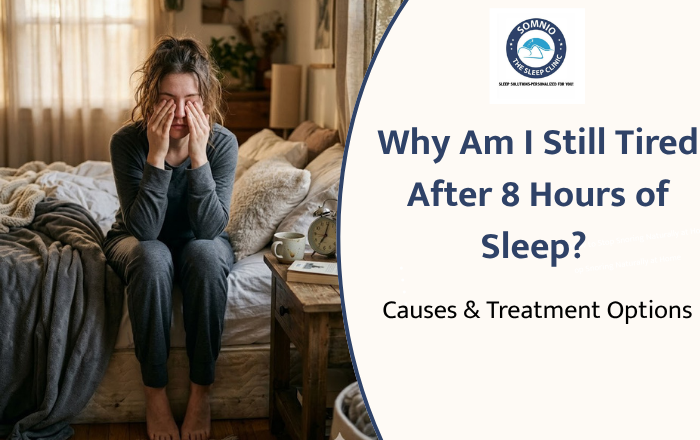
You set your alarm, got your full 8 hours, and still woke up feeling like you hadn’t slept at all. Sound familiar? If you’re constantly asking yourself, “Why am I still tired after 8 hours of sleep?” — you’re not alone, and something real is going on.
Feeling tired after sleeping isn’t laziness. It isn’t in your head. Millions of people sleep the “right” amount every night and still drag themselves through the day. The truth is, sleep is more than just a number — and understanding why you wake up tired could genuinely change your life.
Sleep Quality vs. Sleep Quantity: Why 8 Hours Isn’t Always Enough
Most of us grew up hearing “get 8 hours of sleep.” But nobody told us that 8 hours of broken, shallow, or interrupted sleep is very different from 8 hours of real, deep rest.
During the night, your body cycles through four stages of sleep — including light sleep, deep sleep, and REM (dream) sleep. Deep sleep is where the magic happens: your muscles repair, your immune system resets, and your brain files away memories. If something keeps pulling you out of these deeper stages — even briefly — you miss out on that recovery, no matter how many hours you clock.
This is exactly why sleep quality vs. sleep quantity matters so much. You could technically be “asleep” for 8 hours while your body barely gets the rest it needs.
7 Common Reasons You’re Still Tired After 8 Hours of Sleep
1. Sleep Apnea — The Silent Sleep Thief
Sleep apnea is one of the most common and most overlooked causes of daytime fatigue. It causes your breathing to repeatedly stop and start during sleep — sometimes hundreds of times a night. You may not even remember waking up, but your body does. Over 936 million people worldwide have obstructive sleep apnea, and the majority don’t know it. Loud snoring, morning headaches, and feeling unrefreshed are classic signs.
2. Sleep Inertia — That Awful Groggy Feeling
Ever feel like you’re half-asleep for the first hour of the morning? That’s sleep inertia — a normal transition out of deep sleep. It usually fades within 30 minutes. But if it lingers for hours, it may point to a deeper issue with your sleep cycles.
3. Anemia and Nutritional Deficiencies
Low iron, vitamin B12, or vitamin D can leave your cells starved for energy — even after a full night’s rest. These deficiencies are incredibly common and often go undetected. A simple blood test can tell you a lot.
4. Thyroid Problems
An underactive thyroid (hypothyroidism) slows everything down — including your ability to get restorative sleep. Chronic fatigue is one of its most common symptoms, and many people live with it for years without a diagnosis.
5. Anxiety and Stress
Even when you fall asleep, a stressed or anxious mind doesn’t fully switch off. It keeps your body in a light, alert state — preventing the deep sleep you need. If you often wake up tired after what felt like a full night, your mental load may be the culprit.
6. Poor Sleep Hygiene
Scrolling your phone in bed, keeping irregular sleep times, drinking caffeine after 3 PM, or having alcohol before bed — all of these quietly wreck your sleep quality. Small habits add up to big sleep problems over time.
7. Your Sleep Environment
A room that’s too warm, too bright, or too noisy can keep your brain from settling into deep sleep stages. Even a mattress that isn’t supporting your body properly can disrupt your rest night after night.
Warning Signs You Should Never Ignore
Sometimes, being tired after sleeping is your body waving a red flag. Watch out for:
- Snoring loudly or gasping during sleep (a major sign of sleep apnea)
- Teeth grinding or jaw pain in the morning (a condition called bruxism)
- Waking frequently through the night for no clear reason
- Daytime fatigue so bad it affects your work, mood, or relationships
- Children who snore, mouth-breathe, or seem tired and irritable despite sleeping enough
If any of these sound familiar — especially if they’ve been going on for weeks — please don’t brush it off.
What You Can Actually Do About It
The good news? Most causes of sleep fatigue are treatable once identified.
- Fix your sleep schedule — go to bed and wake up at the same time every day, including weekends
- Cut screen time at least an hour before bed and dim your lights
- Check your nutrition — get your iron, B12, and thyroid levels tested
- Cool your room — the ideal sleep temperature is around 65–68°F (18–20°C)
- Talk to a doctor if lifestyle changes aren’t helping after a few weeks
For sleep disorders like sleep apnea, treatments like oral appliance therapy (a custom mouthguard worn during sleep) or a CPAP machine can be genuinely life-changing. A proper sleep study can identify exactly what’s disrupting your rest.
Still Waking Up Exhausted? You Don’t Have to Figure This Out Alone.
If you’ve tried fixing your habits and you’re still asking “why am I tired after 8 hours of sleep?” — it’s time to get real answers from people who understand sleep deeply.
Somnio The Sleep Clinic, based in Film Nagar, Hyderabad, is a dedicated clinic focused on diagnosing and treating sleep disorders in both adults and children. Dr. Sukhvinder Bindra, an Oral & Maxillofacial Surgeon, brings deep knowledge of airway and jaw-related sleep issues — including sleep apnea and bruxism. Dr. Gayatri Moghe, a Pediatric Dentist (MDS), works specifically with children who show signs of sleep-disordered breathing or dental sleep problems.
Together, they help patients finally understand why they’re not sleeping well — and actually fix it.
Don’t settle for waking up exhausted every day. Book a consultation at Somnio The Sleep Clinic and take the first real step toward sleep that actually restores you.
FAQ
Q1. Why am I always tired even after sleeping 8 hours?
The most common reasons include sleep apnea, poor sleep quality, nutritional deficiencies (like low iron or B12), thyroid issues, and chronic stress. It’s not always about how long you sleep — it’s about how well.
Q2. Can sleep apnea make you feel tired all day?
Yes. Sleep apnea causes repeated interruptions to your breathing during sleep, which prevents your body from reaching deep, restorative sleep — leaving you exhausted even after a full night.
Q3. How do I know if I need to see a sleep specialist?
If your fatigue is ongoing, affecting your daily life, and not improving with basic sleep hygiene changes — especially if combined with snoring, teeth grinding, or frequent waking — it’s worth seeing a sleep disorder specialist.
Q4.Can children have sleep disorders too?
Absolutely. Children can develop sleep apnea, bruxism, and other sleep issues that affect their mood, focus, and growth. Early diagnosis makes a big difference.