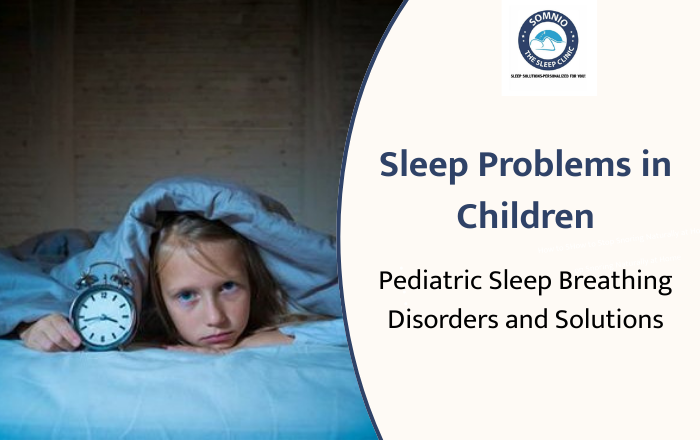
Does your child snore loudly every night? Do they toss and turn, struggling to breathe peacefully while they sleep? You’re not alone, and more importantly, you’re right to be concerned.
Sleep problems in children are more common than most parents realize. Research shows that up to 10% of children experience sleep breathing disorders, yet many cases go unnoticed. What seems like harmless snoring or restless nights could actually be affecting your child’s growth, learning, and happiness.
Quality sleep isn’t just about rest—it’s essential for your child’s brain development, emotional health, and physical growth. When pediatric sleep disorders disrupt those precious hours, the impact shows up everywhere: in the classroom, on the playground, and even at home.
If you’ve been searching for answers about your child’s sleep struggles, you’re in the right place. This guide will help you understand the warning signs, causes, and real solutions for sleep breathing disorders in children.
What Are Sleep Breathing Disorders in Children?
Sleep breathing disorders happen when a child’s breathing is disrupted during sleep. Unlike adults who might just feel tired, children with these problems often become hyperactive, struggle in school, or show behavioral issues.
The most common type is obstructive sleep apnea (OSA), where the airway becomes partially or completely blocked during sleep. This causes the child to stop breathing for short periods, sometimes dozens of times each night.
Other conditions include primary snoring (which can be more serious than it sounds), upper airway resistance syndrome, and central sleep apnea. Each affects how your child breathes and sleeps differently.
Warning Signs Your Child Might Have a Sleep Breathing Disorder
During the Night:
- Loud snoring more than 3 nights per week
- Gasping or choking sounds while sleeping
- Pauses in breathing (you might notice their chest stops moving)
- Sleeping with their mouth open or in unusual positions
- Heavy sweating during sleep
- Frequent waking or very restless sleep
During the Day:
- Always tired, even after a “full night” of sleep
- Morning headaches
- Difficulty waking up or extreme grogginess
- Trouble focusing or paying attention in school
- Hyperactivity or mood swings (often mistaken for ADHD)
- Bedwetting in older children
- Poor growth or weight gain
Studies show that children with untreated sleep apnea can score up to 20% lower on tests measuring attention and memory. That’s a significant difference that affects their entire school experience.
What Causes Sleep Problems in Children?
The most common cause of sleep breathing disorders in children is enlarged tonsils and adenoids. These tissues can grow large enough to block the airway during sleep, especially in children between ages 2 and 8.
Other causes include:
- Being overweight or obese
- Allergies and chronic stuffy nose
- Small jaw or narrow airway structure
- Family history of sleep apnea
- Certain medical conditions like Down syndrome
Sometimes it’s a combination of factors. For example, a child with allergies might also have enlarged adenoids, creating a double problem for breathing at night.
Why These Problems Need Attention
Ignoring sleep problems in children isn’t just about being tired. Untreated sleep breathing disorders can lead to:
Health Issues:
- Slower growth and development
- Weakened immune system
- Higher blood pressure (children with untreated OSA have a 45% higher risk)
- Increased risk of obesity and diabetes
Learning and Behavior:
- Lower grades and difficulty in school
- Memory problems
- Misdiagnosis as ADHD when it’s actually a sleep issue
- Anxiety and emotional difficulties
Daily Life:
- Trouble making friends or keeping up with activities
- Family stress when everyone’s sleep is disrupted
- Reduced quality of life for the whole household
Most of these problems improve or disappear completely with proper treatment.
How Doctors Diagnose Sleep Breathing Disorders
If you suspect your child has a sleep breathing disorder, the first step is seeing a sleep specialist who works with children.
The doctor will:
- Ask detailed questions about your child’s sleep patterns and daytime behavior
- Check your child’s throat, nose, and airway during a physical exam
- May recommend a sleep study (polysomnography)
A sleep study sounds intimidating, but modern sleep centers make it comfortable for children. Your child sleeps overnight while sensors painlessly monitor their breathing, oxygen levels, heart rate, and sleep stages. Many centers now offer child-friendly environments with parent accommodations.
This test gives doctors the detailed information they need to diagnose the problem accurately and recommend the best treatment.
Treatment Options That Work
Surgery (Adenotonsillectomy): For many children with enlarged tonsils and adenoids, removing them solves the problem. This procedure has a 70-90% success rate for improving pediatric sleep apnea. Most children recover within a week or two, and parents often report dramatic improvements almost immediately.
– CPAP Therapy: CPAP machines deliver gentle air pressure through a mask to keep airways open during sleep. Today’s machines designed for children are smaller, quieter, and come with fun mask options. While it takes adjustment, CPAP can be life-changing when surgery isn’t the right option.– Weight Management: For overweight children, losing weight can significantly reduce or eliminate sleep apnea symptoms. A doctor or nutritionist can create a safe, healthy plan appropriate for your child’s age.
– Treating Allergies: Managing allergies with medication, removing allergens from the bedroom, or using nasal rinses can help children who have congestion contributing to their sleep problems.
– Orthodontic Treatment: Some children benefit from palatal expanders that widen the upper jaw, creating more space for breathing. Early evaluation by an orthodontist familiar with sleep issues can identify if this might help.
– Positional Therapy and Exercises: Teaching children to sleep on their side, strengthening mouth and throat muscles through specific exercises, or working with a myofunctional therapist can complement other treatments.
Creating Better Sleep at Home
While these steps can’t replace medical treatment when needed, they support better sleep overall:
- Keep a consistent bedtime routine
- Make the bedroom cool, dark, and quiet
- Turn off screens at least one hour before bed
- Ensure regular daytime physical activity
- Use allergen-proof bedding covers if allergies are an issue
- Avoid heavy meals or sugary snacks before bedtime
Frequently Asked Questions
Q1. Can children outgrow sleep apnea?
Sometimes mild cases improve as children grow, but moderate to severe sleep breathing disorders rarely resolve without treatment. Waiting too long can mean missing important developmental windows.
Q2. How is sleep apnea in children different from adults?
Children often show hyperactivity and behavioral issues instead of sleepiness. The causes differ too—enlarged tonsils are more common in kids, while weight plays a bigger role in adults.
Q3. Will treatment help my child’s behavior?
Yes! Many parents report improvements in mood, focus, and behavior within weeks of treatment. Some children previously diagnosed with ADHD no longer need medication once their sleep improves.
Take the Next Step for Your Child
If you recognize these warning signs in your child, don’t wait. Sleep problems in children deserve attention because quality sleep affects everything—growth, learning, mood, and health.
The difference between a child struggling with undiagnosed sleep issues and one who’s been treated is remarkable. Better sleep means better grades, happier moods, more energy, and healthier development.
Get Help in Hyderabad: Somnio The Sleep Clinic
For families in Hyderabad seeking help with pediatric sleep breathing disorders, Somnio The Sleep Clinic in Film Nagar offers specialized care for children.
Led by Dr. Sukhvinder Bindra and Dr. Gayatri Moghe, the clinic provides:
- Complete evaluation of childhood sleep disorders
- Child-friendly sleep testing facilities
- Treatment plans tailored to each child’s needs
- Collaboration with other specialists when needed
- Caring support for both parents and children throughout the process
Many children in Hyderabad have found relief from sleep problems through Somnio’s focused approach to diagnosis and treatment.
Don’t let another sleepless night affect your child’s future.
Contact Somnio The Sleep Clinic
Location: Film Nagar, Hyderabad Schedule a consultation to discuss your child’s sleep concerns
Your child deserves restful nights and energetic days. Taking this first step could change everything for your family. Reach out today and start the journey toward better sleep and a brighter tomorrow for your child.