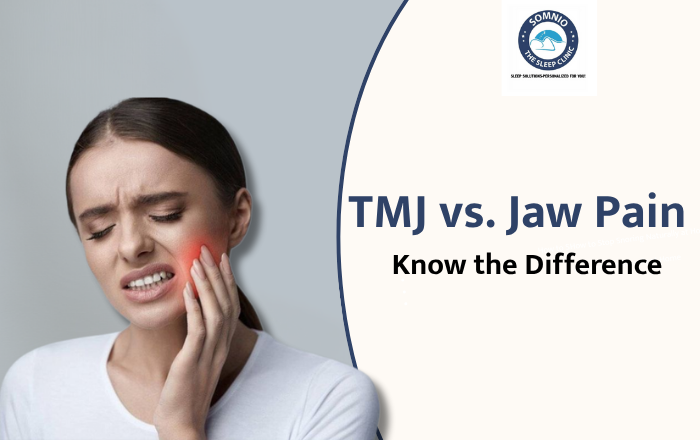
Jaw pain is something many people experience at some point in life. But when the pain lingers or comes with other unusual symptoms, you may wonder — is this just regular jaw pain, or could it be a sign of TMJ disorder?
TMJ stands for temporomandibular joint, the hinge that connects your jaw to your skull. Problems with this joint are often confused with everyday jaw discomfort. Understanding the difference between the two can help you find relief and know when it’s time to see a specialist.
In this article, we’ll explore the key differences between TMJ disorder and regular jaw pain, common symptoms, possible causes, and when you should consider seeking treatment.
What Is TMJ Disorder?
TMJ stands for temporomandibular joint—the hinge that connects your jawbone to your skull. This joint sits right in front of each ear and allows you to talk, chew, and yawn. It’s one of the most complex joints in your body.
TMJ disorder happens when this joint or the surrounding muscles don’t work properly. The result? Pain, clicking sounds, and difficulty moving your jaw.
What Causes TMJ Disorder?
Several factors can trigger TMJ problems:
- Teeth grinding or clenching (often during sleep)
- Jaw injury from accidents or impact
- Arthritis in the joint
- Stress that causes muscle tension
- Bite problems or misaligned teeth
- Poor posture that strains neck and jaw muscles
Sometimes the cause isn’t clear, but recognizing the symptoms is what matters most.
What Is Regular Jaw Pain?
Regular jaw pain is temporary discomfort that usually goes away on its own within a few days. It’s typically caused by:
- Chewing hard or chewy foods like bagels or steak
- Dental problems such as cavities or infections
- Sinus infections that put pressure on your jaw
- Muscle strain from yawning too wide
- Tension from stress or anxiety
- Poor posture from looking down at your phone
This type of pain feels more like a sore muscle after exercise—uncomfortable but not serious.
Key Differences Between TMJ and Regular Jaw Pain
Understanding how to tell if you have TMJ comes down to recognizing specific patterns and symptoms.
• Location Matters
TMJ pain typically occurs:
- Near your ear
- In front of your ear where the joint sits
- Around your temple area
- Radiating to your neck or shoulders
• Regular jaw pain is usually:
- Along your jawline
- In the chewing muscles
- Near a specific tooth
• Types of Pain
TMJ disorder symptoms include:
- Clicking or popping sounds when you move your jaw
- A grinding sensation
- Sharp, stabbing pain
- Persistent aching that doesn’t go away
- Your jaw getting “stuck” open or closed
• Regular jaw pain feels like:
- A dull, achy soreness
- Tenderness when you touch the area
- Discomfort that improves with rest
• How Long Does It Last?
- TMJ disorder: Lasts weeks, months, or longer. The pain may come and go but keeps returning. It often gets worse over time without treatment.
- Regular jaw pain: Usually improves within 24-72 hours. If you rest your jaw and avoid hard foods, it should feel better soon.
Other Symptoms to Watch For
People with TMJ often experience:
- Headaches, especially in the morning
- Earaches or ringing in the ears
- Difficulty opening their mouth wide
- A change in how their teeth fit together
- Neck and shoulder pain
Regular jaw pain rarely causes these additional problems.
Do You Have TMJ? Ask Yourself These Questions
- Does your jaw click or pop regularly?
- Has your jaw ever locked in place?
- Have you had jaw pain for more than a week?
- Do you wake up with jaw soreness or headaches?
- Does the pain get worse when you eat or talk?
- Do you grind your teeth at night?
If you answered “yes” to several of these questions, you might have TMJ disorder and should see a specialist.
When to See a Doctor
Some jaw pain causes need professional attention. Seek help if you experience:
- Pain that lasts more than a week
- Difficulty opening or closing your mouth
- Jaw locking episodes
- Severe pain that interferes with eating
- Swelling on one side of your face
- Pain after a jaw injury
- Symptoms that keep getting worse
Early treatment can prevent long-term problems and help you feel better faster.
Treatment Options
• For Regular Jaw Pain
Most temporary jaw pain responds well to home care:
- Apply ice for the first 48 hours, then switch to heat
- Eat soft foods like yogurt, soup, and mashed potatoes
- Take over-the-counter pain relievers as directed
- Gently massage the sore muscles
- Practice relaxation techniques to reduce tension
- Avoid chewing gum and hard foods
• For TMJ Disorder
TMJ treatment usually involves:
- Physical therapy to strengthen and stretch jaw muscles
- Nightguards to prevent teeth grinding
- Medications to reduce pain and inflammation
- Lifestyle changes like stress management and posture correction
- Dental work if bite problems contribute to the issue
- Injections for severe muscle pain
A TMJ specialist can create a treatment plan based on your specific needs.
Preventing Jaw Pain
Protect your jaw with these daily habits:
- Don’t chew gum or bite your nails
- Cut food into small pieces
- Practice good posture, especially at your desk
- Avoid cradling your phone between your shoulder and ear
- Learn to recognize when you’re clenching your teeth
- Manage stress through exercise, meditation, or hobbies
- Sleep on your back instead of your stomach
Frequently Asked Questions
Q1: How do I know if my jaw pain is TMJ or something else?
If your jaw pain is persistent, comes with clicking sounds, headaches, or difficulty moving your mouth, it could be TMJ disorder. Temporary discomfort from chewing or dental issues usually points to regular jaw pain.
Q2: Can TMJ pain go away on its own?
Mild TMJ pain may improve with rest and home care, but ongoing or severe symptoms often need treatment.
Q3: Does stress cause TMJ disorder?
Yes, stress can lead to clenching or grinding teeth, which puts extra strain on the jaw joint and may trigger TMJ symptoms.
Think It’s More Than Just Jaw Pain? Time to Check for TMJ
Jaw pain can be confusing — sometimes it’s just temporary discomfort, but other times it may signal TMJ disorder. Knowing the difference is the first step toward relief.
If you’ve been living with jaw pain that won’t go away, don’t wait. Visit Somnio The Sleep Clinic for TMJ treatment in Hyderabad and consult Dr. Sukhvinder Bindra, a TMJ specialist, to find the right solution for your condition.