
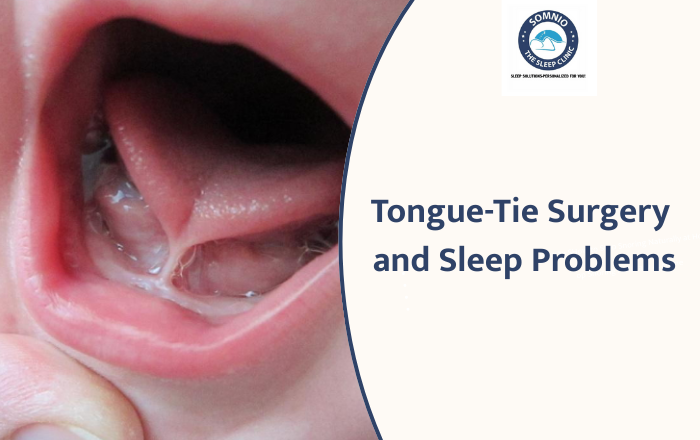
Sleep is something most of us take for granted—until it doesn’t come easily. If you or your child struggle with restless nights, loud snoring, or feeling tired despite getting enough hours in bed, the cause might surprise you: a tongue-tie. Tongue-tie, also called ankyloglossia, is a condition where the tissue under the tongue limits its movement. Many people don’t realize that this small restriction can affect breathing and sleep patterns. In this blog, we’ll explore what tongue-tie surgery is, how it can help with sleep problems, and when it might be worth considering.
Understanding Tongue-Tie
What Is Tongue-Tie?
Tongue-tie happens when the band of tissue connecting the tongue to the floor of the mouth is unusually short or tight. This can limit the tongue’s movement, making tasks like eating, speaking, or swallowing more challenging. In babies, it can make breastfeeding difficult. In older children and adults, it can affect speech clarity, dental hygiene, and even sleep.
How Tongue-Tie Affects Daily Life
Tongue-tie doesn’t always cause obvious problems, but when it does, the effects can be broad. In children, it can make feeding and swallowing difficult. In adults, it can cause jaw tension, poor oral hygiene, or difficulties with speech. What’s less commonly known is its effect on sleep: restricted tongue movement can push the tongue backward during sleep, narrowing the airway, causing snoring, and sometimes contributing to sleep apnea.
The Link Between Tongue-Tie and Sleep Problems
Tongue-Tie and Sleep Apnea
Sleep apnea happens when the airway becomes partially or fully blocked during sleep. Tongue-tie can make this worse by preventing the tongue from resting in the proper position in the mouth. This can lead to mouth breathing, snoring, restless nights, and daytime fatigue.
Why Sleep Quality Matters
When sleep is disrupted, it affects more than just energy levels. It can influence mood, concentration, memory, and overall health. Poor sleep in children can affect growth and learning, while adults may experience reduced focus and ongoing fatigue. Identifying and addressing issues like tongue-tie can have a noticeable impact on sleep quality.
Tongue-Tie Surgery Explained
What Is Tongue-Tie Surgery?
Tongue-tie surgery is a procedure to release or cut the tissue restricting the tongue. In some cases, the procedure involves simple snipping, while in others, minor adjustments are made to allow better tongue movement. The goal is to restore normal range of motion so that the tongue can function without restriction.
Who Is a Candidate for Surgery?
Children and adults who struggle with speech, feeding, or sleep may be considered for tongue-tie surgery. Signs to look for include:
- Snoring or restless sleep
- Difficulty breastfeeding in infants
- Speech difficulties in children
- Difficulty moving the tongue or keeping the mouth closed during sleep
Benefits of Tongue-Tie Surgery
- Tongue-tie surgery can offer multiple benefits:
- Improved tongue movement, making eating and speaking easier
- Reduced snoring and better sleep patterns
- Easier maintenance of oral hygiene
- Reduced jaw tension and more comfortable mouth posture
Recovery and Aftercare
Recovery is usually straightforward. In the days following surgery, patients may need simple exercises to help the tongue move freely. Eating soft foods and maintaining good oral hygiene are important during the initial healing period.
Alternatives and Complementary Approaches
While surgery can help correct tongue-tie, other approaches can also support better sleep:
- Myofunctional therapy: exercises to improve tongue posture and function
- Sleep position adjustments and lifestyle changes to improve sleep
- Dental devices for adults who experience sleep apnea
When to Consult a Doctor
If you notice persistent sleep problems, snoring, or difficulties with tongue movement, consulting a doctor is the right step. Early evaluation can prevent complications and improve quality of life.
Frequently Asked Questions
Q1: Is tongue-tie surgery safe for adults?
Yes, adults can safely undergo tongue-tie surgery, and many notice improvements in speech, eating, and sleep.
Q2: How long does recovery take after tongue-tie surgery?
Most people recover within a few days to a week, with gradual improvement in tongue mobility over several weeks.
Q3: Can tongue-tie surgery completely solve sleep apnea?
Tongue-tie surgery can help reduce airway obstruction, but sleep apnea may also require other measures, depending on severity.
Improve Sleep and Breathing – Book Your Tongue-Tie Consultation Now
Contact Somnio The Sleep Clinic in Hyderabad today to schedule your consultation with Dr. Gayatri Moghe. Discover how tongue-tie surgery could finally give you the peaceful, restorative sleep that’s been missing from your life.
Stop accepting poor sleep as normal. You deserve to wake up feeling refreshed, energized, and ready to take on the day. Make that call today – your future well-rested self will thank you.
The path to better sleep starts with taking action. Don’t wait another night.